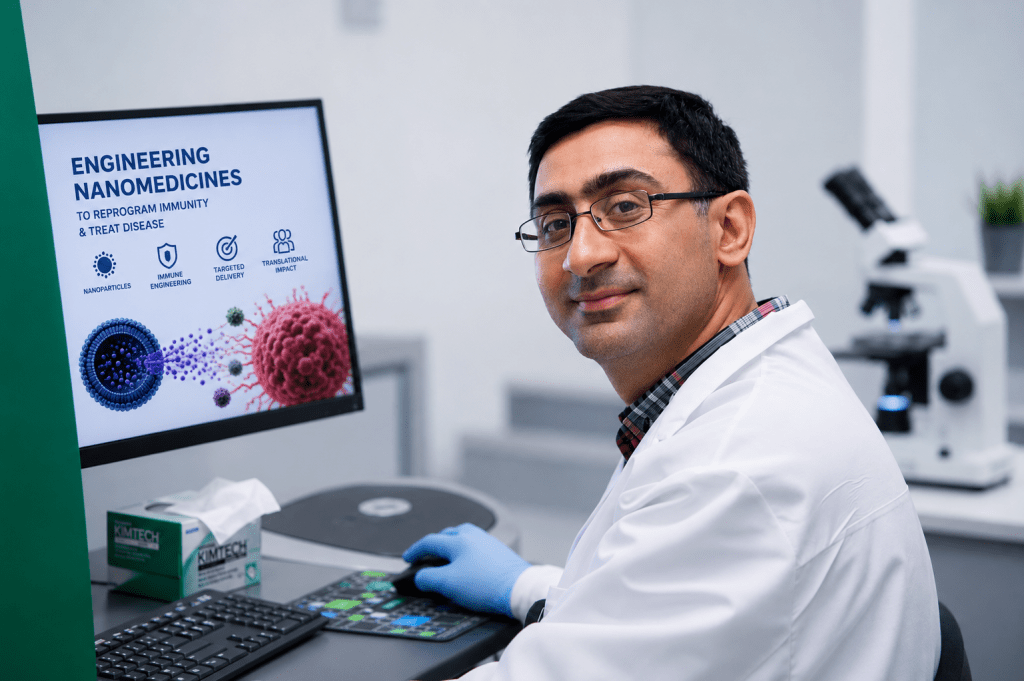
Dr. Alireza Hassani Najafabadi is an Associate Professor in the College of Pharmacy at the University of Cincinnati. He received his PhD in Pharmaceutical Sciences from the University of Michigan and earned his earlier graduate and undergraduate training in Applied Chemistry at Amirkabir University of Technology and Isfahan University of Technology. Dr. Hassani Najafabadi’s research program focuses on nanomedicine, lipid nanoparticles, immunomodulation, obesity therapy, cancer treatment, and regenerative medicine, with a strong emphasis on developing advanced drug delivery systems for translational biomedical applications. He has authored numerous manuscripts in leading journals, is an inventor on multiple patents, and has been supported by major research funding, including NIH grants. Dr. Hassani Najafabadi has also contributed extensively to teaching and mentoring, guiding students and trainees across pharmacy, pharmaceutical sciences, and biomedical engineering.
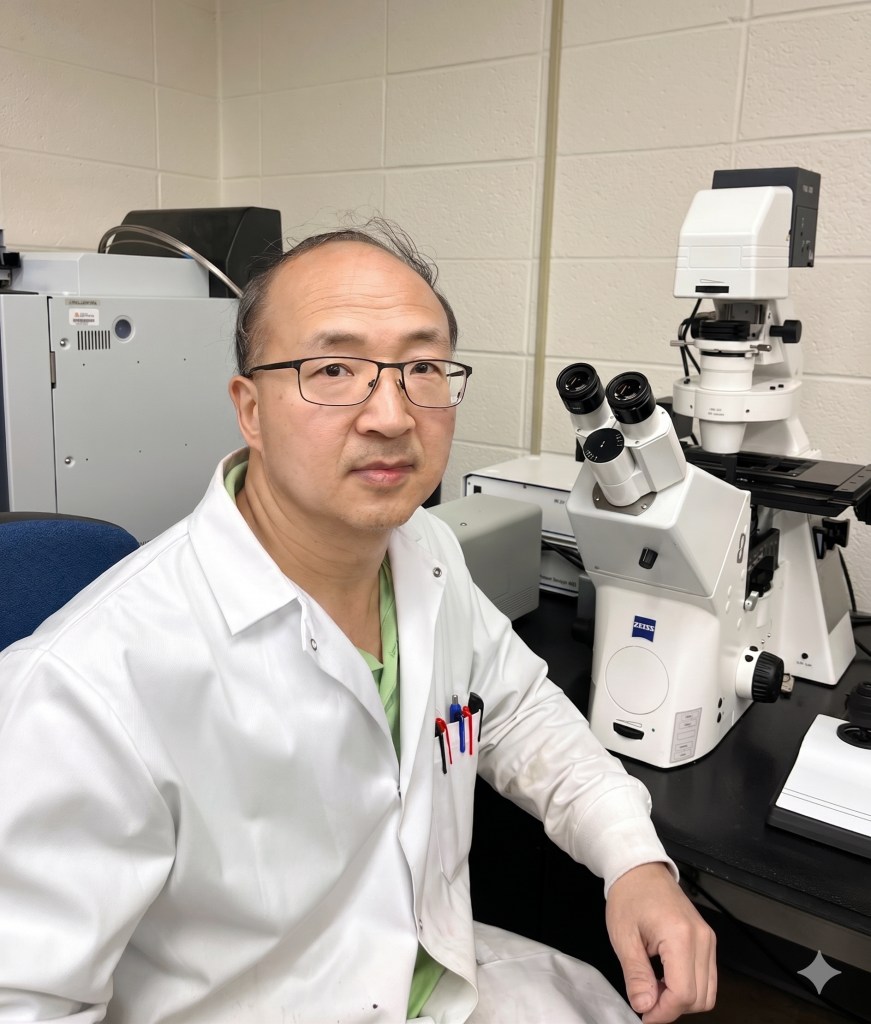
I am a Senior Research Associate and Laboratory Manager and have research experience in nanoparticle medicine, drug delivery and metabolism, toxicology, and molecular biology.
My current research focuses on lipid nanoparticle synthesis, formulation optimization, characterization, immunomodulation pathways, and therapeutic strategies for combating immune senescence in in vitro and in vivo preclinical models.
I have authored more than 57 peer-reviewed publications and have extensive expertise in nanoparticle formulation, pharmacokinetics, molecular and cellular biology, histopathology, immunoassays, and preclinical disease models. I have been involved in numerous multidisciplinary research projects and mentored graduate students, postdoctoral fellows, and research staff throughout my career.
I am passionate about translating innovative nanotechnology and immunomodulatory strategies into clinically relevant therapies that improve patient outcomes.
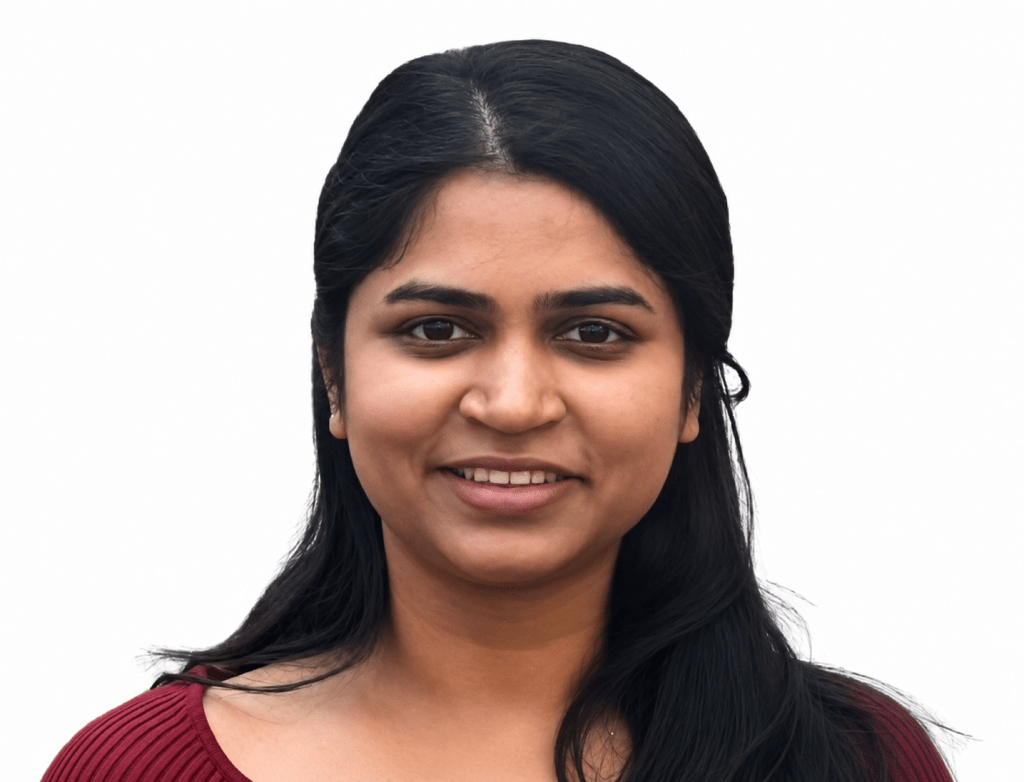
I am a PhD student in Pharmaceutical Sciences at the University of Cincinnati. Prior to joining the University of Cincinnati, I completed my M.S. in Pharmaceutical Sciences at the University at Buffalo, where I studied combination therapies for pancreatic cancer and their effects on tumor cell proliferation and signaling pathways. My research focused on understanding how these therapies influence tumor cell proliferation, cell-cycle progression, and signaling pathways using techniques such as flow cytometry and Western blotting. I have also co-authored peer-reviewed publications in pharmaceutical sciences and drug formulation research. My current research focuses on developing new approaches to treating obesity and cancer through nanomedicine, biomaterials, and immunomodulation. I am particularly interested in designing and developing nanoparticle-based drug delivery systems for obesity and cancer therapy, with the goal of improving targeted delivery, therapeutic efficacy, and patient outcomes. My research involves formulating and characterizing nanocarriers for therapeutic delivery and developing innovative strategies to address unmet clinical needs. My long-term goal is to translate scientific discoveries into therapies that improve patient outcomes. In my free time, I enjoy exploring new cafés, going for long evening walks, and visiting parks.
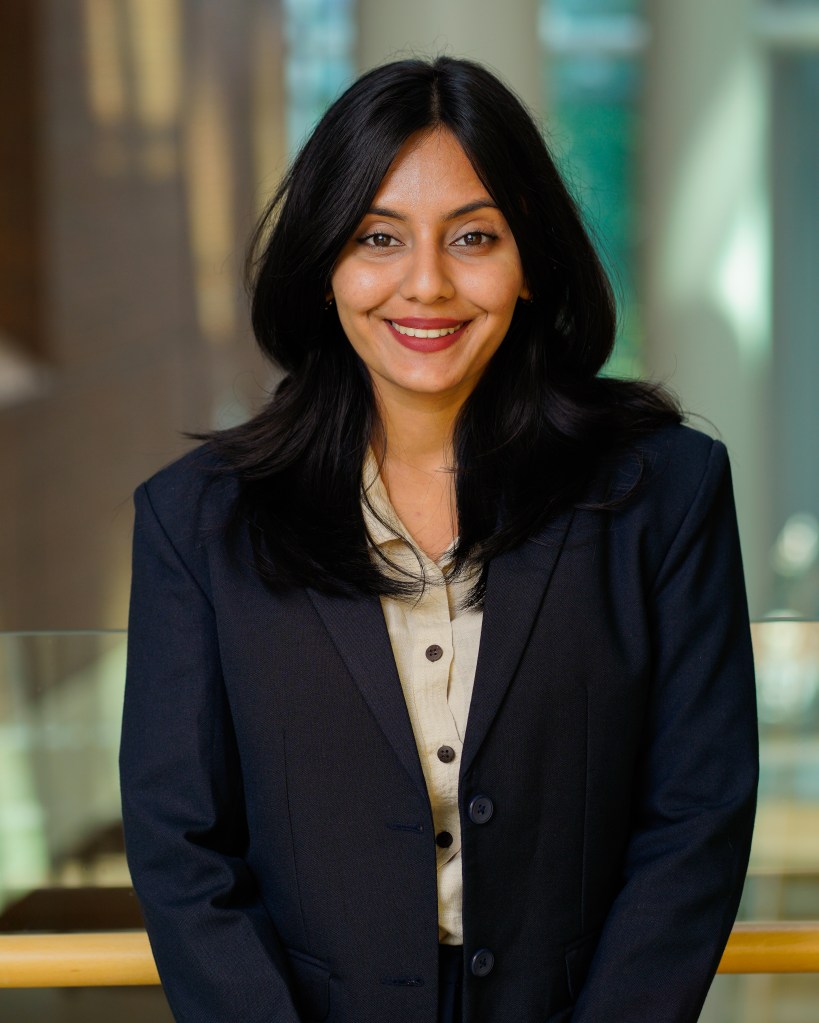
I am Gargi Digholkar, a first-year PhD student in the Hassani lab at the University of Cincinnati. My research focuses on nanomedicine- and biomaterials-based drug delivery strategies for complex diseases, with particular interest in obesity, cancer, and immune-mediated disorders. I am especially interested in how formulation design, material selection, and nanoscale engineering can be leveraged to control biological interactions and improve the performance of therapeutic systems in clinically relevant settings.
Prior to joining the University of Cincinnati, I earned an M.S. in Pharmaceutical Sciences from the University of Maryland, Baltimore, where my research focused on bioengineered hybrid, lipid-coated polymeric nanoparticles for the treatment of sepsis and inflammatory diseases. Through this work, I developed a strong interest in nanoparticle formulation design, immune system modulation, and translating nanomedicine concepts into therapeutically meaningful platforms.
My long-term goal is to contribute to the development of rationally designed drug delivery systems that move beyond proof-of-concept studies and toward real-world impact, improving how complex diseases are treated through more precise, effective, and translatable pharmaceutical solutions.
Outside of research, I enjoy reading and spending time outdoors, particularly hiking. I also enjoy exploring the local food and coffee scene in the city and discovering new places.

